Must-Have Supportive Wear for a Well-Balanced Wardrobe
A well-balanced wardrobe is less about having endless options and more about owning pieces that work together with consistency. Supportive wear plays a major role in that balance because it affects how clothing sits, how you move through your day, and how confident you feel from the inside out. The right foundations can make a simple outfit look sharper, help garments last longer by reducing strain, and minimize the small discomforts that cause constant adjusting. When your base layers are reliable, getting dressed becomes faster, easier, and far more enjoyable.
What “Supportive” Really Means in Everyday Dressing
Supportive wear isn’t limited to shaping items. It includes anything that improves comfort, stability, or the way your outfit performs: a well-fitting bra, smoothing slips, anti-chafe shorts, supportive camisoles, and even socks that make walking feel better. The purpose is to create a steady base so outer clothing looks intentional rather than fussy.Support can also be about reducing friction and distraction. If a waistband digs in, straps slip, or fabric clings, you spend the day fixing your clothes instead of living in them. A strong foundation eliminates those interruptions, which is often the real difference between an outfit that looks good for five minutes and one that works for ten hours.
Understanding Your Outfit Goals Without Getting Stuck on Labels
It’s useful to notice proportions, but you don’t have to box yourself into a strict category. Think in terms of what you want to emphasize or balance on a given day waist definition, smoother lines, better lift, reduced thigh rub, or a cleaner drape under knits. This mindset keeps wardrobe decisions practical instead of personal.When you approach fashion and body shapes with curiosity rather than rules, supportive wear becomes a set of tools. Some days you want a sleek base under a fitted dress; other days you want comfort and airflow under relaxed trousers. Flexibility is the point: the “best” support is the one that fits your schedule and your clothing choices.
The Bra as the Anchor Piece
A great bra is the quiet anchor of a balanced closet. It influences posture, affects how tops fit across the bust, and can change the entire silhouette of a blazer, sweater, or dress. Look for bands that sit flat, straps that don’t slide, and cups that contain without cutting in. Comfort is not optional; if you’re adjusting all day, the fit is off.Consider owning at least two reliable styles: one seamless option for thin or fitted tops and one more structured option for outfits that benefit from extra shaping and lift. The goal is not to collect dozens but to have dependable choices that match your most common necklines and fabrics.
Smoothing Layers for Dresses and Skirts
Dresses and skirts often reveal the “under-structure” of an outfit more than pants do. A slip can prevent cling, reduce static, and help fabric move cleanly when you walk. For warmer months, lightweight shorts can reduce friction and keep you more comfortable without changing the look of your outfit.A key tip is to match the smoothing piece to the fabric weight. Thin knits usually need a very smooth base with minimal seams. Structured fabrics can handle a bit more texture underneath. When chosen well, supportive layers make your outfit look more polished while feeling more comfortable.
Base Layers That Improve Fit Under Casual Clothes
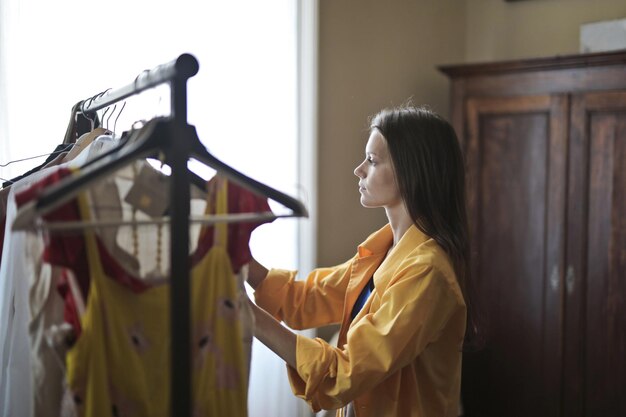
Supportive wear matters even when you’re dressed down. A comfortable camisole can keep tops from shifting. A smoothing tank can reduce bunching under sweaters. Anti-chafe shorts can make casual dresses feel wearable for long days. The goal is easy clothes that stay where you put them and don’t require constant readjustment.This is also where smart inner layering becomes valuable: a breathable, smooth base makes casual outfits look cleaner without adding stiffness. You’ll often find that you reach for certain dresses, knits, and skirts more often when you have the right base underneath.
Bottom Foundations That Don’t Fight Your Waistband
High-rise jeans, tailored trousers, and fitted skirts all sit better when the layers underneath are chosen with care. Bulky seams, thick elastic, or overly tight shaping can create ridges and discomfort. Look for wide, flat waistbands and finishes that lie smoothly under clothing.If you prefer light shaping, choose a level that allows natural movement and doesn’t roll when you sit. Many people assume tighter means better, but in practice, a slightly gentler fit often stays in place longer and looks smoother. This is especially important for long days that include sitting, walking, and bending.
Socks, Tights, and Foot Support as Style Insurance
Foot comfort impacts posture, pacing, and overall confidence. Supportive socks, quality tights, and well-cushioned insoles can make your entire wardrobe more functional, especially if you wear boots, loafers, or work shoes frequently. If your feet hurt, you compensate by shifting weight oddly, which can affect how clothing hangs and how you carry yourself.For tights, consider opacity and waistband comfort. A waistband that pinches or rolls will sabotage even the best outfit. When your legwear fits well, skirts and dresses feel more reliable, and you can wear them longer across seasons.
Creating a Small Core Collection You’ll Actually Use
Instead of buying many items that feel “almost right,” build a small set of foundations that match your real wardrobe. Start by listing the silhouettes you wear most: fitted knit dresses, high-waist jeans, wide-leg trousers, midi skirts, blazers, or thin tees. Then choose supportive layers that solve the most common problems: strap slip, cling, friction, or lack of smoothness.This is where must-have wardrobe pieces become practical, not as a generic checklist, but as a personal kit that supports your style. Include a seamless bra, a smoothing slip or dress layer, anti-chafe shorts, a smoothing tank, and comfortable socks or tight,s depending on your climate and routine.
Conclusion
Supportive wear is the behind-the-scenes system that keeps a wardrobe balanced, wearable, and consistent. When the right pieces are in place, clothing fits better, movement feels easier, and outfits look polished for longer stretches of the day. With a small, thoughtful foundation collection and a flexible approach to fashion and body shapes, you can build a closet that supports both comfort and style without overcomplicating the process.
