How to Wear Salwar Suits with a Modern Fashion Twist
Traditional attire continues to evolve as personal style becomes more expressive and experimental. The beauty of ethnic wear lies in its ability to adapt without losing its cultural essence. Today’s fashion lovers are blending heritage elements with contemporary details to create looks that feel relevant and confident. This shift is not about replacing tradition but about reinterpreting it in a way that matches current lifestyles. By thoughtfully balancing structure, comfort, and creativity, one can transform a familiar ensemble into something striking and versatile. The journey toward a refreshed appearance begins with understanding how subtle changes can redefine the overall impact of a classic outfit.
Textile Choices That Refresh Tradition
Fabric selection plays a vital role in updating ethnic ensembles, as textures instantly influence how an outfit feels and looks. Lightweight linens, breathable cotton blends, and fluid modal materials introduce ease while maintaining elegance. When experimenting with these fabrics, attention to drape and fall can make a significant difference. A well-informed approach, similar to following a salwar suit styling guide, helps in identifying materials that balance comfort with visual appeal. Subtle surface details such as muted sheen or woven patterns elevate the outfit without overpowering it. Choosing season-appropriate textiles also ensures that style and practicality move together seamlessly.
Rethinking Proportions and Lines
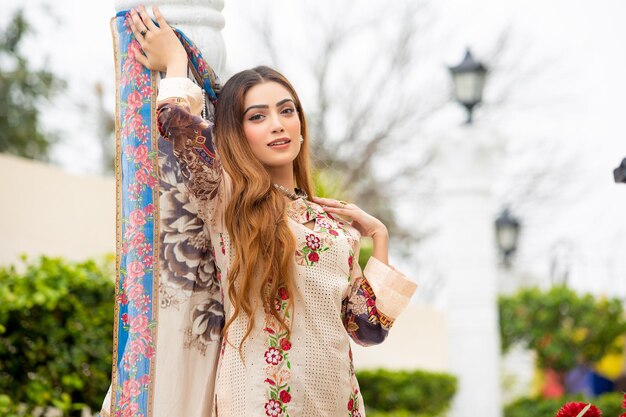
Modern fashion thrives on experimenting with proportions, and this principle applies beautifully to ethnic silhouettes as well. Adjusting the length of tunics, narrowing or widening pant cuts, or introducing asymmetrical hems can dramatically alter the look. Clean lines and tailored fits often create a sharper appearance, while relaxed shapes bring a contemporary ease. The key is to maintain harmony between top and bottom elements so that the outfit feels intentional rather than experimental. Playing with proportions allows wearers to highlight their personal preferences while still respecting the traditional foundation of the ensemble.
Playful Pairings with Contemporary Tops
Pairing traditional bottoms with updated top designs is an effective way to achieve a refreshed aesthetic. Shorter tunics, structured shirts, or even layered jackets introduce a fashionable edge. This approach aligns with insights often shared in a salwar suit styling guide, where adaptability becomes central to creating new looks. Mixing textures and cuts encourages creativity while maintaining cultural relevance. Neutral tones can be paired with statement pieces to strike a balanced appearance. Such thoughtful combinations help bridge the gap between classic roots and modern wardrobes, making the outfit suitable for a variety of settings.
Styling Through Color Stories
Color has the power to completely transform the mood of an outfit, especially when approached thoughtfully. Soft pastels, earthy neutrals, and monochromatic palettes are increasingly favored for their refined appeal. Strategic use of contrast through dupattas or subtle detailing adds depth without overwhelming the look. This evolving approach is clearly visible in modern salwar outfits, where color coordination replaces heavy embellishment. Choosing hues that complement skin tone and occasion ensures versatility. By focusing on harmonious color stories, one can achieve a polished appearance that feels both current and timeless.
Blending Structure with Comfort
Achieving a modern look often comes down to finding the right balance between tailored design and ease of movement. Structured cuts bring sharpness and polish, while relaxed elements ensure the outfit remains wearable throughout the day. Thoughtful tailoring around the shoulders or waist can enhance form without feeling restrictive. Soft fabrics paired with defined silhouettes allow the outfit to appear refined yet effortless. This harmony between structure and comfort creates a look that feels contemporary, practical, and confident without compromising on traditional charm.
Balancing Tradition with Personal Expression
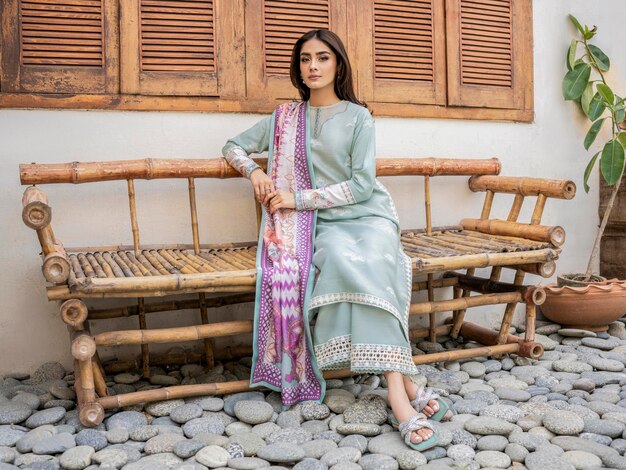
Personal style becomes most impactful when tradition is treated as a foundation rather than a limitation. Introducing individual preferences through subtle design choices allows the outfit to feel authentic and expressive. This could involve selecting understated patterns, adjusting fits to suit comfort, or choosing details that reflect personality. The goal is not to overshadow heritage but to let it coexist with modern sensibilities. When traditional elements align with personal taste, the result feels confident, relevant, and naturally stylish.
Creating Visual Interest Through Design
Design elements play a crucial role in shaping how an outfit is perceived. Variations in textures, stitching patterns, or panel placements draw attention without relying on heavy embellishment. Thoughtful use of symmetry or intentional imbalance can add depth and dimension to the overall look. These design-focused choices keep the outfit engaging while maintaining elegance. By emphasizing craftsmanship and layout, the ensemble achieves a refined appearance that feels fresh and visually compelling.
Occasion-Based Adaptability
Versatility is essential when adapting ethnic wear for different settings. For daytime gatherings, lighter fabrics and subtle accents work best, while evening events allow for richer textures and deeper tones. Even casual salwar suits can be elevated through thoughtful layering or refined accessories, making them suitable beyond relaxed environments. Understanding the occasion helps in selecting the right balance between comfort and sophistication. This adaptability ensures that a single outfit can transition smoothly across events, maximizing both style potential and practicality in everyday wardrobes.
Conclusion
Blending tradition with contemporary style is an art that thrives on thoughtful choices rather than drastic changes. By focusing on fabric, fit, color, and finishing details, anyone can create looks that feel fresh yet rooted in culture. The modern approach celebrates individuality while honoring heritage, proving that classic attire can evolve gracefully. With mindful experimentation and confidence, traditional ensembles can seamlessly align with present-day fashion sensibilities, allowing wearers to express themselves authentically while staying connected to timeless design principles.
